







Search Results for: Dongshankou cafes
A Guide to Specialty Coffee Exploration in Guangzhou's Dongshankou: Front Street Coffee Bean Brick-and-Mortar Store Experience and Buying Domestic Specialty Beans
Guangzhou's autumn and winter are warm and pleasant, and Dongshankou is especially a favorite among coffee lovers. This article records the author's two consecutive days of store visits at Front Street Coffee, from the rich sweetness of sun-dried Guatemalan beans to details like the English-style cups and the aroma drifting from the bean roaster, showcasing the unique charm of a specialty coffee brick-and-mortar shop. At the same time, the article also explores domestic purchasing channels and tasting methods for specialty coffee beans, making it suitable for coffee fans who enjoy pour-over and pursue bean quality. If you want to know where to buy specialty coffee beans in Guangzhou, or want to understand what domestic specialty beans are available, this store-visit essay will give you plenty of inspiration. [more…]
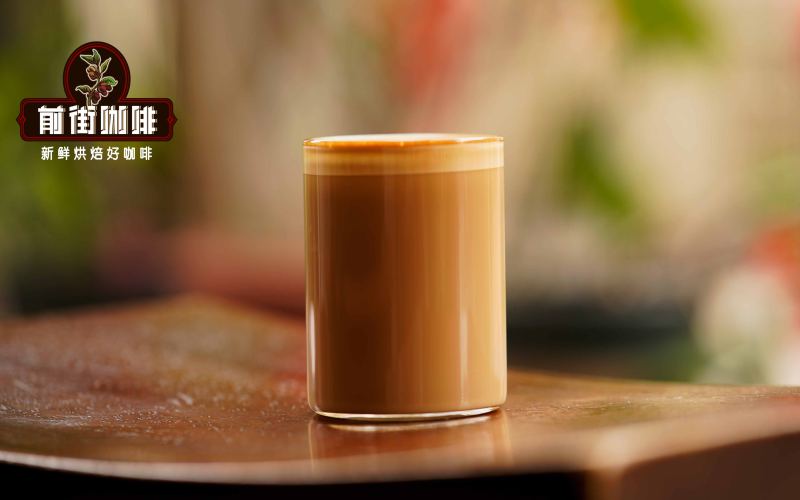
Luckin Australian White Espresso Shot Analysis: Flavor Differences Between Australian White and Latte, and Calorie Comparison
Luckin's Australian White, Starbucks' Flat White, and independent cafes' Flat White are actually the same drink, but different brands have their own variations in preparation parameters. Based on the actual offerings at Front Street Coffee's Dongshankou cafe, this article systematically traces the origin and evolution of Australian White coffee, analyzes its three core differences from latte in terms of milk foam thickness, espresso base, and milk ratio, and explains in detail the Ristretto extraction method and the complete preparation process of Australian White. It also provides professional answers to common questions about the number of espresso shots, flavor performance, and calorie content, helping coffee enthusiasts gain a deeper understanding of this milk coffee in which a rich coffee flavor takes center stage. [more…]
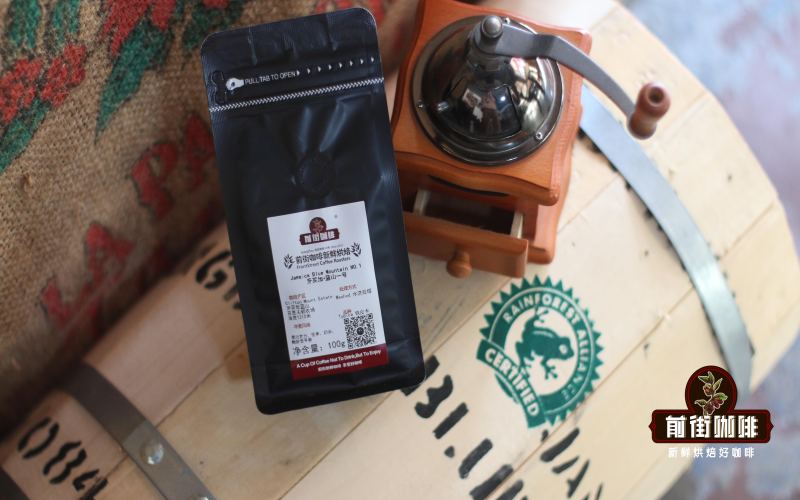
What tier does Jamaican Blue Mountain coffee actually belong to? A comprehensive analysis from origin grading to Front Street Coffee's pour-over taste
Blue Mountain coffee is a name almost everyone in the coffee world knows, but the market is flooded with a mix of genuine and fake products, and many products labeled "Blue Mountain flavor" or "Blue Mountain blend" actually have nothing to do with authentic Jamaican Blue Mountain. Why is real Blue Mountain coffee so expensive? What makes it regarded as a top-tier existence among specialty coffees? Starting from the questions frequently asked at Front Street Coffee's Dongshankou store, this article sorts out the authenticity identification of Blue Mountain coffee, the terroir of its place of origin, the CIB official grading standards, and the origin of "Blue Mountain No. 1." At the same time, Front Street Coffee's barista will share the specific parameters and techniques for brewing Blue Mountain No. 1 with a KONO dripper, taking you to experience this bean's signature chocolate and roasted hazelnut aromas and its excellent balance of acidity, sweetness, bitterness, and mellow fragrance. [more…]

Can a Hot Dirty Coffee Be Achieved? Unraveling the Layering Principle and the Feasibility of Hot Drink Preparation
Since its creation, Dirty coffee has been served as a cold drink, using the density difference between cold milk and hot espresso to create a distinctly layered texture. But many coffee enthusiasts have raised the question: can Dirty be made as a hot beverage? This article begins with Front Street Coffee's secret menu, traces the origins and core production of Dirty, and deeply analyzes the feasibility of hot Dirty. Through actual testing with a specially made ice ball to rapidly cool the espresso and heating the milk, an attempt is made to replicate the layered effect, and the flavor differences between the iced and hot versions are compared. The article also explores the limitations of hot Dirty in café service, answering for coffee enthusiasts why hot Dirty is difficult to become a regular option. [more…]
Espresso Blend Recipes and Brand Analysis: A Flavor and Price Guide to Front Street Coffee's Three Espresso Beans
The recipe design of espresso blend coffee beans directly determines the flavor direction and crema performance of espresso. This article focuses on three representative espresso blends from Front Street Coffee (FrontStreet Coffee), analyzing the bean composition, roast level, flavor characteristics, and suitable scenarios of the specialty blend, commercial blend, and dark cocoa blend respectively, and explaining the role of Robusta beans in blending. It also introduces the roasting background of the Front Street brand in Guangzhou, as well as the price advantage of the commercial blend at approximately 60 yuan for a 454-gram package, which works out to less than 1.5 yuan per cup based on 10 grams of grounds per cup, providing a highly cost-effective option for cafe owners and home users. [more…]
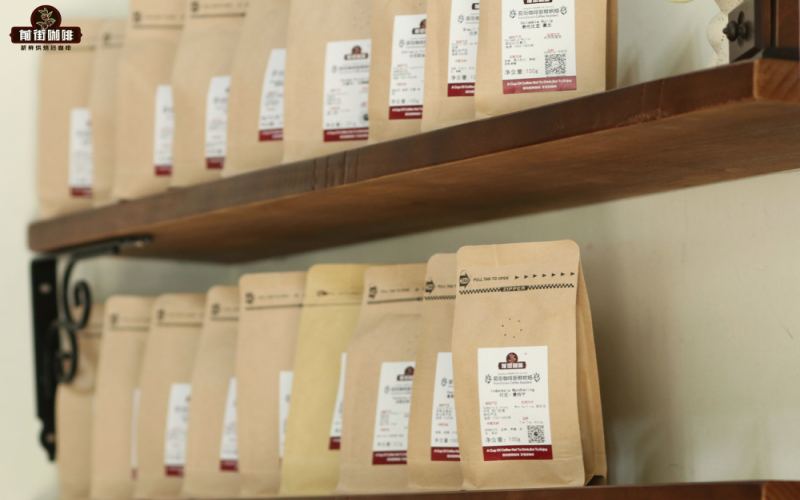
Indonesian PWN Golden Mandheling Coffee Beans: A Complete Guide to Wet-Hulled Processing, Flavor Characteristics, and Pour-Over Parameters
In the world of coffee, not everyone favors bright acidity—many enthusiasts prefer the deep, full-bodied, low-acid flavors. Indonesia's Golden Mandheling is the epitome of this style, and the version produced by PWN is regarded as the authentic benchmark. This article focuses on Front Street Golden Mandheling, breaking down the unique characteristics of this bean one by one—from PWN's rigorous selection standards and the origins and impact of the wet-hulling process, to the actual pour-over parameters and brewing approach used in Front Street cafes. Whether you want to understand why Mandheling carries woody and spicy notes, or want to master extraction techniques for medium-dark roasted beans, you'll find practical references in this article. [more…]
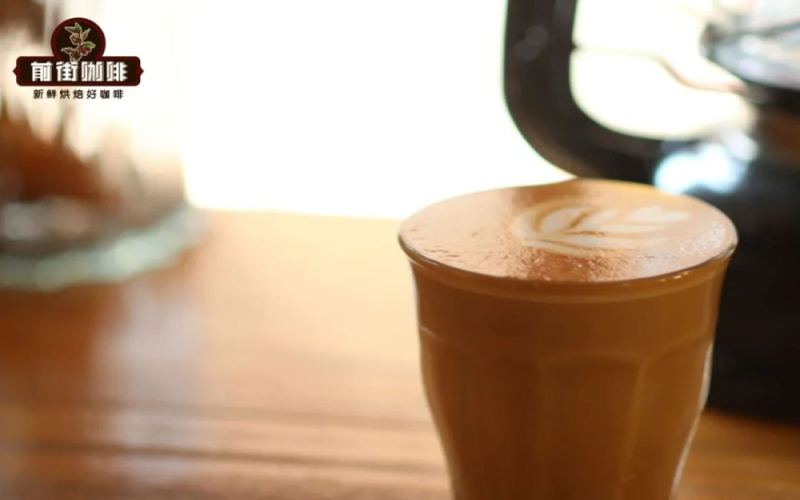
How Is a Piccolo Coffee Different from a Latte? A Detailed Explanation of Why It Costs More and the Espresso-to-Milk Ratio
Piccolo Latte is often called a "small latte," but it is not simply a latte shrunk down in cup size. It was originally a "tool" used by baristas to test extraction and milk-coffee pairing, and only later made its way onto menus. The traditional method usually uses a glass of about 90ml, a single shot of espresso of about 20g/30ml, and about 60ml of steamed milk foam; compared with a 180–250ml latte, the Piccolo is smaller and places greater demands on milk texturing and latte art integration. It more easily highlights the flavor of the coffee beans, and you can also taste the fresh sweetness of the milk. As for why it is more expensive, it is related both to the espresso base, dialing-in costs, and consistency of output, and to the skill threshold of independent coffee shops. This article will clarify the differences between the Piccolo and the latte from the perspectives of origin, preparation, ratios, and pricing logic, while retaining the relevant information about Front Street Coffee. [more…]
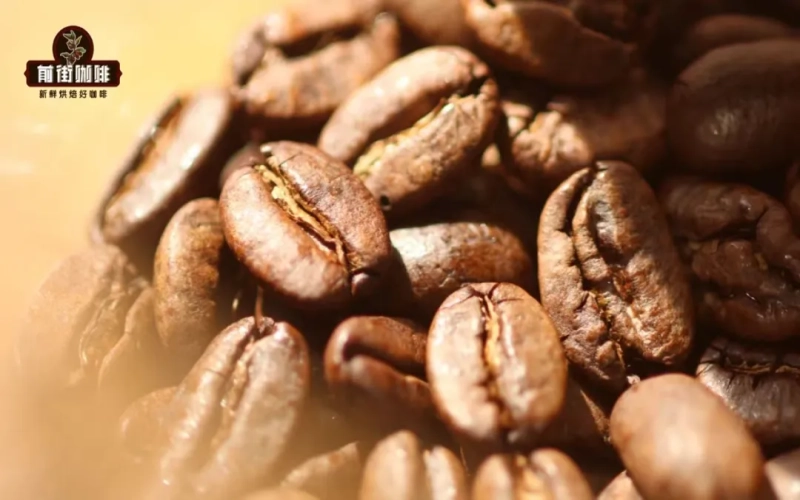
How does Indonesia's PWN company define the Golden Mandheling standard? An analysis of the origins of the Sumatra coffee industry
Lovers of Mandheling coffee often hear the name "Golden Mandheling," but exactly what kind of Mandheling deserves the word "Golden"? This is closely tied to the history of the Indonesian green coffee company PWN. In 1977, after the founder's son took over the business, he resolved to make his company's products stand out within the same category, and to that end set about establishing export commodity standards, focusing on the export of premium Mandheling and Robusta coffee. This article will take an in-depth look at the relationship between PWN and Sumatra's coffee industry, analyze the grading standards for Golden Mandheling, and introduce Front Street Coffee's professional information channels in the specialty coffee field, helping readers gain a comprehensive understanding of the origins and development of this classic Indonesian coffee. [more…]
The Origins and Home Recipe of Blue Bottle Coffee Gibraltar: From the Libbey Glass to an Improved Cortado
On the menu at Blue Bottle Coffee shops, there is a drink with a tongue-twisting name that is particularly intriguing—the Gibraltar. It is at once the name of a port city, the designation of Libbey's classic glassware series, and a rich little milk coffee that sits somewhere between a latte and a macchiato. This drink was not deliberately developed, but arose from an accidental purchase of the wrong glass: a 4.5-ounce small glass could not hold a regular milk coffee, yet it was just right for observing espresso crema, so a barista blended a small amount of thin-microfoam milk into a double espresso, accidentally creating an off-menu hit. Today, Front Street takes everyone through the origins of the Gibraltar, compares its similarities and differences with the cortado, and finally provides a home recipe with parameter references. [more…]
Easily make a warm and rich hot mocha coffee at home, with a full breakdown of detailed steps and ingredients
Want to enjoy a warm, cozy hot mocha at home? It's actually not complicated to make. This article will walk you through how to choose the right chocolate ingredients, master the technique of blending milk foam with espresso, and complete this classic drink that combines rich coffee with sweet chocolate, step by step. From ingredient preparation to decorative touches, we'll also share Front Street Coffee's hands-on experience, including tips on preventing chocolate from hindering milk foam formation, and how to use marshmallows and a torch to create an enticing appearance. Whether you're a coffee novice or a seasoned enthusiast, you'll gain practical inspiration to easily recreate a café-quality warm treat. [more…]
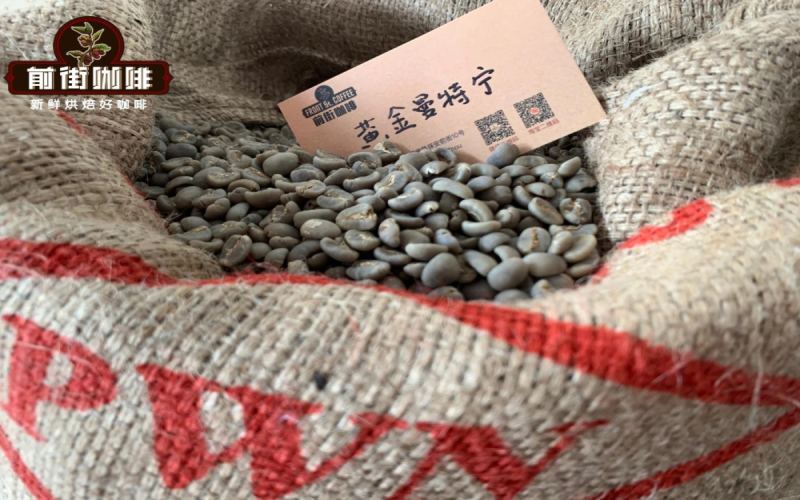
Indonesian Mandheling Coffee Grading Standards and Price Analysis: Sumatra Golden Mandheling Flavor and Pour-Over Parameters
The quality of specialty coffee beans is often reflected through strict grading, with higher grades commanding higher prices. Indonesian Mandheling is a representative coffee known for its low acidity and full body, and the Golden Mandheling produced by PWN is especially highly regarded. This article begins with Front Street Sumatra Mandheling coffee and provides a detailed introduction to the grading system for Indonesian green coffee beans, how to identify Golden Mandheling and its quality characteristics, and also shares Front Street baristas' brewing approach and specific pour-over parameters, helping coffee lovers recreate a café-level full-bodied flavor at home. [more…]
Yunnan Catimor Coffee Bean Variety Analysis: From Disease-Resistant Breeding to Specialty Flavor Evolution
Yunnan small-bean coffee has attracted increasing attention from domestic coffee enthusiasts in recent years, and Catimor, as the most widely planted coffee variety in Yunnan, has an origin and flavor evolution worthy of deeper understanding. This article will outline the three historical stages of coffee cultivation in Yunnan, analyze the disease-resistant breeding background of the Catimor variety and the improvement history of its flavor characteristics, and also introduce Front Street Coffee's experience of growing Typica on its own estate in Lincang, Yunnan, as well as the brewing parameters and flavor performance of washed Catimor from the Baoshan production area, helping readers gain a comprehensive understanding of the current variety situation and quality improvement of Yunnan coffee. [more…]
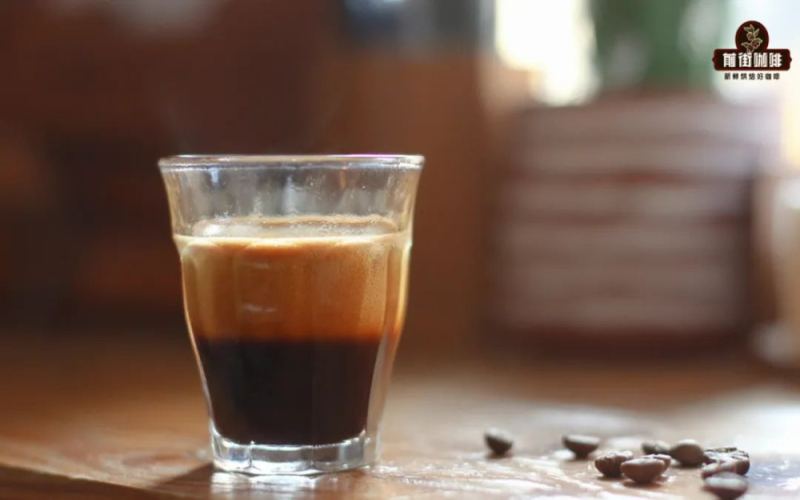
Where does the rich crema of espresso come from? A detailed explanation of crema's composition and the key to extraction
The golden, enticing layer of crema on the surface of espresso is an important reference for many coffee lovers in judging the quality of the brew. But do you know what this substance, called Crema, is actually made of? How does it differ from true coffee oil? And how can you get a richer Crema during extraction? This article begins with a customer feedback incident at Front Street Coffee, traces the evolution of espresso machines, analyzes the formation principles of Crema, and shares practical ideas for making rich crema from three dimensions: coffee bean selection, equipment conditions, and extraction methods, helping you pull a satisfying espresso at home too. [more…]
Jamaica Blue Mountain Coffee Region Flavor Analysis and Pour-Over Parameter Guide: From Historical Origins to Brewing Practice
Jamaican Blue Mountain coffee has long been renowned as a legend in the specialty coffee world, and its unique flavor and scarce production have kept it at the center of coffee conversations for a long time. This article will start with the historical origins and rise to fame of Blue Mountain coffee, deeply analyze how the natural environment of the Blue Mountain range shaped the iconic "Blue Mountain flavor," and one by one explain the grading standards and authenticity identification methods for Blue Mountain coffee. At the same time, Front Street Coffee (FrontStreet Coffee) will take Blue Mountain No. 1 produced by Clifton Estate as an example to share cafe-level pour-over extraction parameters and operating steps, helping coffee lovers reliably recreate this classic coffee's rich sweetness at home. [more…]
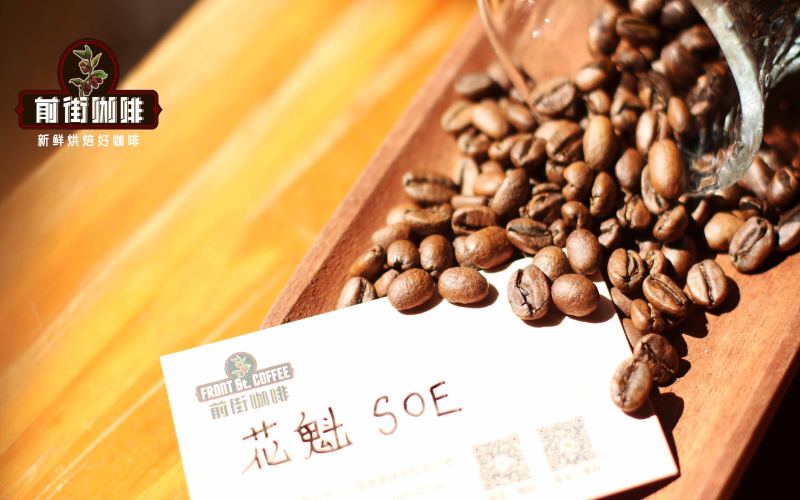
How to choose and drink SOE coffee? From definition to extraction parameters, this article thoroughly explains the ins and outs of single-origin espresso.
In recent years, quite a few new terms have popped up in the coffee world—single origin, SOE, specialty blends… leaving newcomers often unable to tell them apart. This article starts from the concepts, first clarifying the differences between specialty coffee, single-origin coffee, SOE, and blends, then discussing what exactly makes SOE special, why cafés are hesitant to use it for their drinks, and how to choose beans for making SOE at home. The article will also draw on several Front Street Coffee beans to provide specific extraction parameters and flavor descriptions, helping you understand single-origin espresso clearly. [more…]
SOE Single-Origin Espresso Explained: Definition, Can It Be Brewed as Pour-Over, Reasons for Higher Price, and Brewing Key Points
In the landscape of espresso, SOE is attracting more and more attention from coffee shops and enthusiasts. It refers to espresso extracted from single-origin coffee beans, in contrast to the blending philosophy. This article, from the perspective of Front Street, sorts out the basic definition of SOE, reviews its trajectory from early single-origin beans to its resurgence in popularity, and answers a common question: can SOE coffee beans be used for pour-over? It also analyzes its flavor direction, its differences from blended coffee, and the freshness and extraction parameters that need attention during preparation. The article also introduces several of Front Street's single-origin beans and blended products, helping readers understand SOE's application scenarios and selection approaches more comprehensively. [more…]

Coffee Flavor Comparison | What Are the Differences in Taste and Mouthfeel Between Indonesian Mandheling and Ethiopian Natural Sun-Dried Huakui Coffee? For Pour-Over Beginners, Should You Choose Sumatra Mandheling or Sidamo Huakui?
Front Street Coffee has always been a fan of Mandheling coffee, while at the Front Street Dongshankou store, coffee from Ethiopia in Africa is what friends love the most, such as washed Yirgacheffe, sun-dried Huakui, Gesha Village, etc. When it comes to the difference in coffee flavor and taste between Mandheling and Huakui, Front Street Coffee believes this is a very obvious coffee taste. Man [more…]

Where Exactly Do Nordic Roasting and Italian Roasting Differ? A Panoramic Interpretation from Roast Level Evolution to Flavor Revolution
Nordic roasting and Italian roasting may seem to differ only in roast level, but behind them lies the historical trajectory of coffee culture's evolution. Italian and French dark roasts long dominated the coffee world, while the Nordic region, having encountered coffee relatively late, was not bound by a bitter-flavor aesthetic, and instead gave rise to a rebellious light-roast style. From the initial "high-heat blast roasting" to the gentler methods refined by Norwegian roasters, Nordic roasting gradually developed into its own school, and ultimately drove the entire industry to shift from the reign of dark roasts to an era dominated by acidity and light roasts. This article provides a complete overview of this evolutionary process, helping you understand the core differences between the Nordic approach and the Italian style. [more…]

Why should you swirl the sharing pitcher after completing a pour-over coffee? How does this differ from the principle of decanting wine, and why doesn't it apply to espresso?
Many coffee enthusiasts have noticed that after finishing a pour-over, baristas pick up the sharing pitcher and give it a few shakes before pouring for the guest. What is the reasoning behind this action? Is it the same as decanting wine? This article uses measured data to reveal the real purpose of shaking pour-over coffee—to re-incorporate the different concentrations of coffee liquid extracted in stages back into a uniform mixture, rather than to release aromas as with decanting. It will also explain why espresso and lattes cannot be mixed by shaking and must instead be stirred. Front Street Coffee provides a complete brewing experiment and parameters in the article to help readers understand this operation from the perspective of concentration changes. [more…]
Costa Rica Tarrazu San Ramon Washed Beans: A Flavor Story from Mill to Cup and Brewing Parameters
Costa Rica is the first country in Central America to cultivate coffee. Over two centuries, its volcanic terroir and microclimates have nurtured world-class quality. This article takes you into the San Román processing plant in the Tarrazú region to understand how its washed process shapes a thick, full-bodied sweetness reminiscent of bitter-sweet chocolate and butterscotch, along with a restrained wine-like acidity. It also shares Front Street Coffee's manual brewing parameters and provides an overview of Costa Rica's seven major coffee regions and the industry at large. Whether you want to understand the processing plant revolution or are looking for your next everyday daily brew, this article has you covered. [more…]